
5 Pleasing Personality Traits That Double Your Traffic Conversion
 Jason Volny
Have you heard this one? Customers would rather get a root canal than visit a car dealership.
That's not a punchline. That's actual consumer research — and it's been true for decades. The question worth asking isn't whether it's true. The question is why. And the answer, more often than not, has nothing to do with inventory levels, interest rates, or the competition down the street.
It has to do with how people feel when they walk through your door.
Experience drives conversion. And experience is delivered by people. Specifically, by the personality those people bring to every single interaction.
You can have the right vehicle at the right price and still lose the deal because the customer didn't trust the person in front of them. Conversely, a salesperson with genuine warmth and authentic presence can turn a skeptical walk-in into a loyal buyer, and a referral source, before the test drive is over.
Mr. Farrell understood this long before the research confirmed it. At Farrell's Ice Cream Parlour, the standard was simple and uncompromising: guests might forget what you say and do, but they will never forget how you make them feel. Feel Good Automotive Group took that same principle and built it into every customer interaction and became the number one dealership group in Texas.
A pleasing personality scales. Here are five traits that make it work.
1. Genuine Warmth, Not Scripted Friendliness

Customers have been greeted by scripted salespeople enough times that they can feel the difference between authentic warmth and performed enthusiasm in about ten seconds. Genuine warmth isn't a technique. Rather, it's a decision to actually care about the person standing in front of you. It shows up in eye contact, in remembering a name, in responding to what someone actually said instead of what you expected them to say. It's being present. It cannot be faked at scale, which is exactly why it's so powerful when it's real.
Leadership Summit
Transform your dealership with proven strategies from industry leaders. Join the conversation that's reshaping automotive leadership.
Learn More
2. Active Listening. Customers Need to Feel Heard Before They Buy
Most salespeople listen just long enough to identify an opening to talk. Active listening is different. It means staying fully present, asking follow-up questions, and reflecting back on what the customer said before pivoting to a solution. When a customer feels genuinely heard, their guard comes down. Trust accelerates. And a customer who trusts you is a customer who buys from you.
3. Patience Without Pressure: The Anti-Pushy Approach
Pressure closes some deals, but it kills far more. The salesperson who can hold a relaxed, confident posture throughout the entire buying process, one who doesn't telegraph urgency or anxiety, gives the customer permission to make a decision rather than escape one. Patience isn't passivity. It's the discipline to trust your process and your product without forcing the customer's timeline.
4. Product Knowledge with a Conversational Delivery
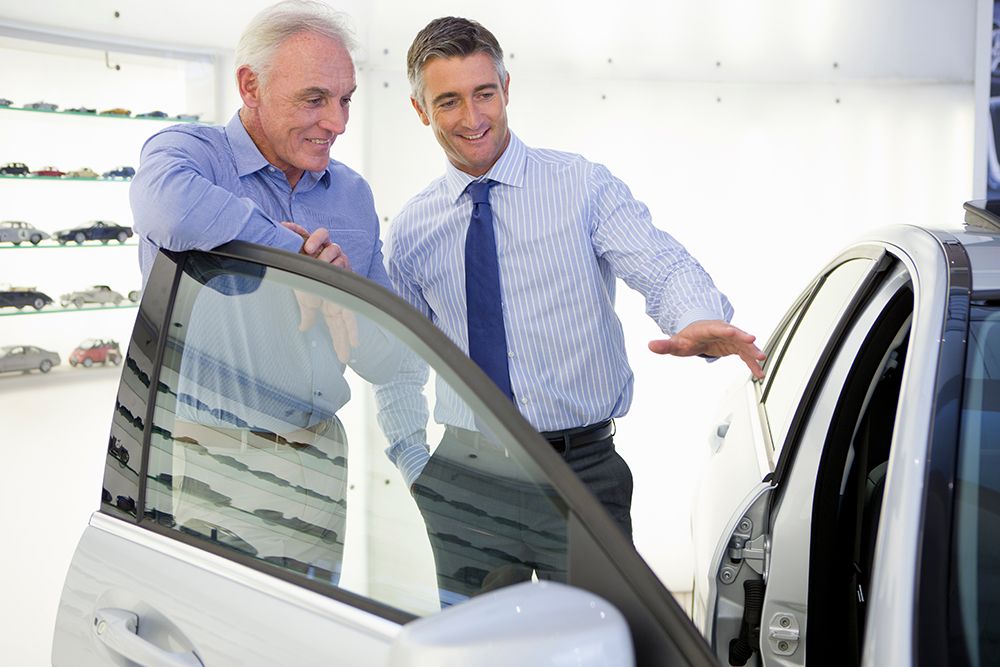
There's a meaningful difference between a salesperson who recites features and one who connects those features to what the customer actually cares about. Conversational product knowledge means translating specifications into personal relevance. For example, "based on what you told me, here's why this matters to you". It must be in a language that feels like a helpful conversation, not a presentation. That approach builds credibility without creating distance.
5. Authentic Follow-Through on Every Commitment
Nothing erodes trust faster than a promise that doesn't get kept. Nothing builds it more reliably than one that does. When a salesperson says they'll call back by noon and they call back at 11:45, that small act of follow-through communicates something larger: I mean what I say. That reputation, built one kept commitment at a time, is what turns a first-time buyer into a repeat customer.
Remember, personality isn't fixed. These traits can be developed, practiced, and coached — and the conversion numbers move when they are.
Never Miss an Insight
Dealership strategies, industry trends, and expert advice delivered straight to your inbox.
Subscribe NowLet's Talk Strategy
Book a free consultation. We'll discuss your dealership's challenges and map out a path forward.
Schedule a ConversationFree Dealership Tools
Performance calculators, diagnostics, and benchmarks built to help you find exactly where your dealership is leaving money on the table.
Explore Free Tools