The 5-Step System to Increase Hours Per RO from 1.1 to 2.8
 David R. Ibarra
The national average for hours per repair order is only 1.1.
Let that land for a moment. The average service advisor, with a customer sitting in the drive, a vehicle on the lift, and a multi-point inspection in hand, closes out a repair order at just over one hour of labor. In a department with the capacity, the trained technicians, and the genuine opportunity to deliver so much more.
The problem isn't laziness. It isn't a bad team. It isn't even a bad process.
It's a mindset. Specifically, a Readiness Mindset that hasn't been calibrated to recognize and communicate opportunity, and a belief system that talks advisors out of recommendations before they ever make them.
Here's the five-step system that changes it.
1. Train the Brain Model First. Advisors Must Believe in the Value of Their Recommendations
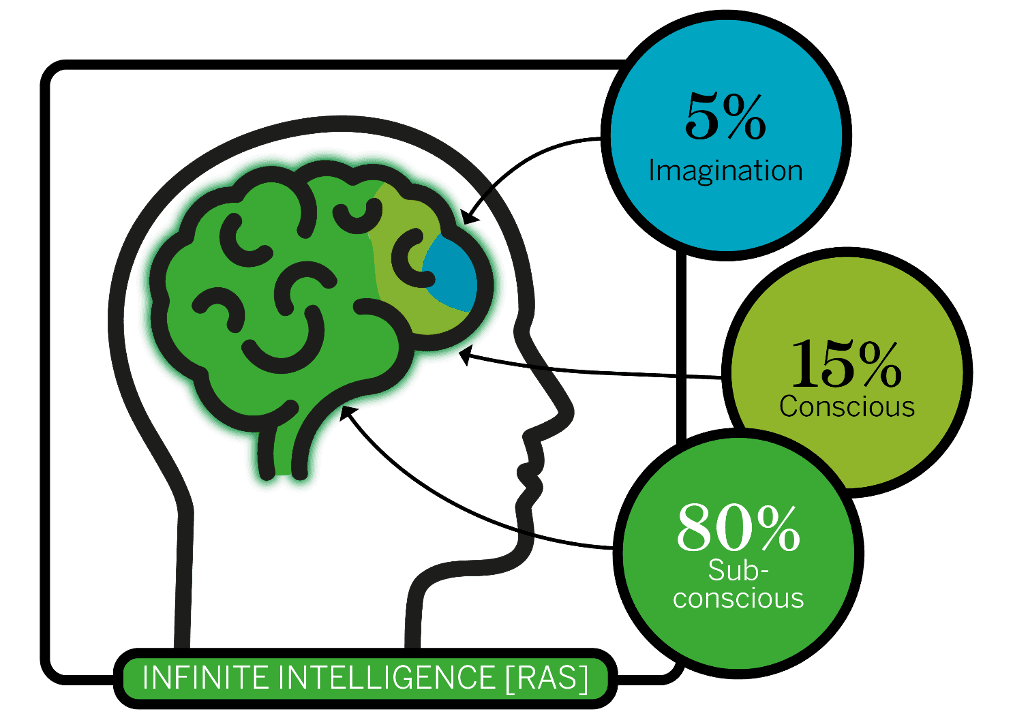
Before you can change what a service advisor does, you have to change what they believe. Most underperforming advisors have an unconscious conviction that customers don't want to hear recommendations, that presenting additional services will feel pushy, create conflict, or damage the relationship. That belief, left unaddressed, overrides every process and script you put in front of them. Brain Model training resets the foundation: a genuine recommendation that protects a customer's vehicle and their safety is not an upsell. It is a requirement. When advisors believe that completely, everything downstream changes.
2. Implement Controlled Attention by Focusing on the Customer's Actual Needs
Distraction is one of the most expensive habits in the service drive. Advisors who are mentally managing their next RO, their afternoon workload, or the noise of a busy department are not fully present with the customer in front of them. And customers feel that absence immediately. Controlled Attention means bringing full focus to each interaction: listening to what the customer is describing, observing what the inspection reveals, and connecting those two things in a way that serves the customer's actual situation. That quality of attention builds trust. And trust is what makes recommendations land.
Leadership Summit
Transform your dealership with proven strategies from industry leaders. Join the conversation that's reshaping automotive leadership.
Learn More
3. Use Accurate Thought. Recommendations Must Be Genuine, Not Manufactured
There is a meaningful difference between an advisor who recommends services because the customer genuinely needs them and one who recommends services to hit a number. Customers feel that difference, and they remember it. Accurate Thought means presenting only what is true, necessary, and in the customer's best interest with the confidence that comes from knowing you're serving them, not selling them. This approach builds the kind of trust that converts a one-time visitor into a retention customer who never takes their vehicle anywhere else.
4. Apply Going the Extra Mile by Walking the Customer Through the Inspection
The multi-point inspection is one of the most underutilized trust-building tools in the service department. When an advisor walks a customer through the inspection findings in plain language, with genuine care, connecting each item to the customer's driving habits and safety, something shifts. The customer stops feeling sold to and starts feeling served. That shift changes the conversation entirely. Approval rates increase not because of pressure, but because of transparency.

5. Build the Habit Through Daily Accountability and Recognition
Mindset training without reinforcement fades within weeks. The system holds through daily accountability. This can be accomplished by brief team huddles that review the previous day's metrics, recognize advisors who executed the standard, and address gaps before they become patterns. Recognition is not a soft add-on. It is a performance tool. What gets celebrated gets repeated. What gets measured gets managed. Both are required.
Service departments implementing the Live Ready® system consistently increase effective labor rate by $18 per hour, improve first-time fix rates to 94%, and boost service retention from 38% to 67%. Those aren't projections. They're documented outcomes from real service departments that committed to the system.
Ready to move your department from 1.1 to 2.8? Our "Profitable Service Department" Master Class shows you exactly how to implement this system from the drive lane up. Register today.
Never Miss an Insight
Dealership strategies, industry trends, and expert advice delivered straight to your inbox.
Subscribe NowLet's Talk Strategy
Book a free consultation. We'll discuss your dealership's challenges and map out a path forward.
Schedule a ConversationFree Dealership Tools
Performance calculators, diagnostics, and benchmarks built to help you find exactly where your dealership is leaving money on the table.
Explore Free Tools